
Roofing FAQs: Everything First-Time Homeowners Need to Know
Buying your first home is beyond exciting, but it also carries a steep learning curve, especially when it comes to understanding one of your home’s biggest protectors: the roof. Whether withstanding Colorado’s hailstorms or holding up against San Diego’s coastal sun and salt air, quality roofing works around the clock to keep your family safe and comfortable. Yet many new homeowners aren’t sure what type of roof they have, how long it should last, or what kind of care it needs.
If you’ve ever found yourself wondering about roofing materials, lifespan, or maintenance, you’re in the right place. To help you feel confident in protecting your investment, we’ve pulled together the top roofing questions first-time homeowners ask to give you professional answers.
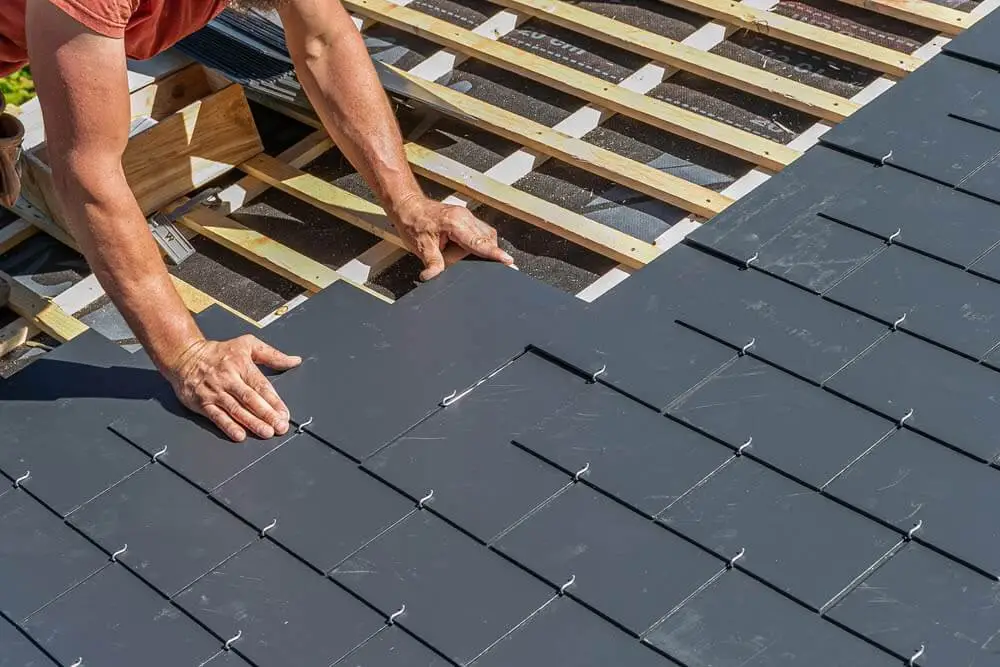
What Are the Most Common Roofing Materials?
When it comes to roofing materials, there’s no single “best choice.” Your location, budget, and style preferences will influence the right material for your home. Here are some of the most common options for homeowners in Colorado and San Diego:
- Asphalt shingles – Affordable, versatile, and popular for residential roofs. They hold up well in most climates, but especially in San Diego’s milder weather. Asphalt shingles come in a wide variety of colors, allowing them to fit most home styles.
- Metal roofing – Durable, long-lasting, and energy-efficient, metal roofs are a great choice for Colorado homeowners facing hail, snow, and temperature swings. A smart choice for a good mix of longevity and affordability.
- Stone-coated steel – A hybrid option that combines the strength of steel with the look of traditional shingles or tiles. It offers excellent hail and wind resistance — perfect for Colorado homeowners — while still being lightweight and stylish.
- Tile roofing – A favorite in Western America for its aesthetic appeal and ability to withstand coastal climates. While more expensive, tile roofs are highly durable, potentially lasting the longest in the right conditions and with proper upkeep.
- Composite roofing – Engineered for strength and style, composite shingles can mimic other materials while providing excellent resistance to hail damage and harsh elemental exposure.
- Solar shingles: An innovative option for homeowners looking to combine protection with energy production. Solar shingles function like traditional roofing materials while generating clean electricity, making them a smart long-term investment in sunny climates and areas with increased strain on city power grids.
Each material has its pros and cons, so it’s worth talking with a trusted roofing contractor to find the right fit for your home and location. For more information, explore high-performance roofing options from Lifetime Roof & Solar.
How Long Will My Roof Last?
The lifespan of your roof depends largely on its material and how well it’s maintained. On average, when properly installed, here’s what to expect from common roofing materials:
- Asphalt shingles: 15–30 years
- Metal roofing: 40–70 years
- Tile roofing: 50–100 years
- Composite roofing: 30–50 years
Keep in mind that weather conditions play a major role. Colorado hailstorms can shorten a roof’s life, while coastal moisture in San Diego may affect certain materials differently.
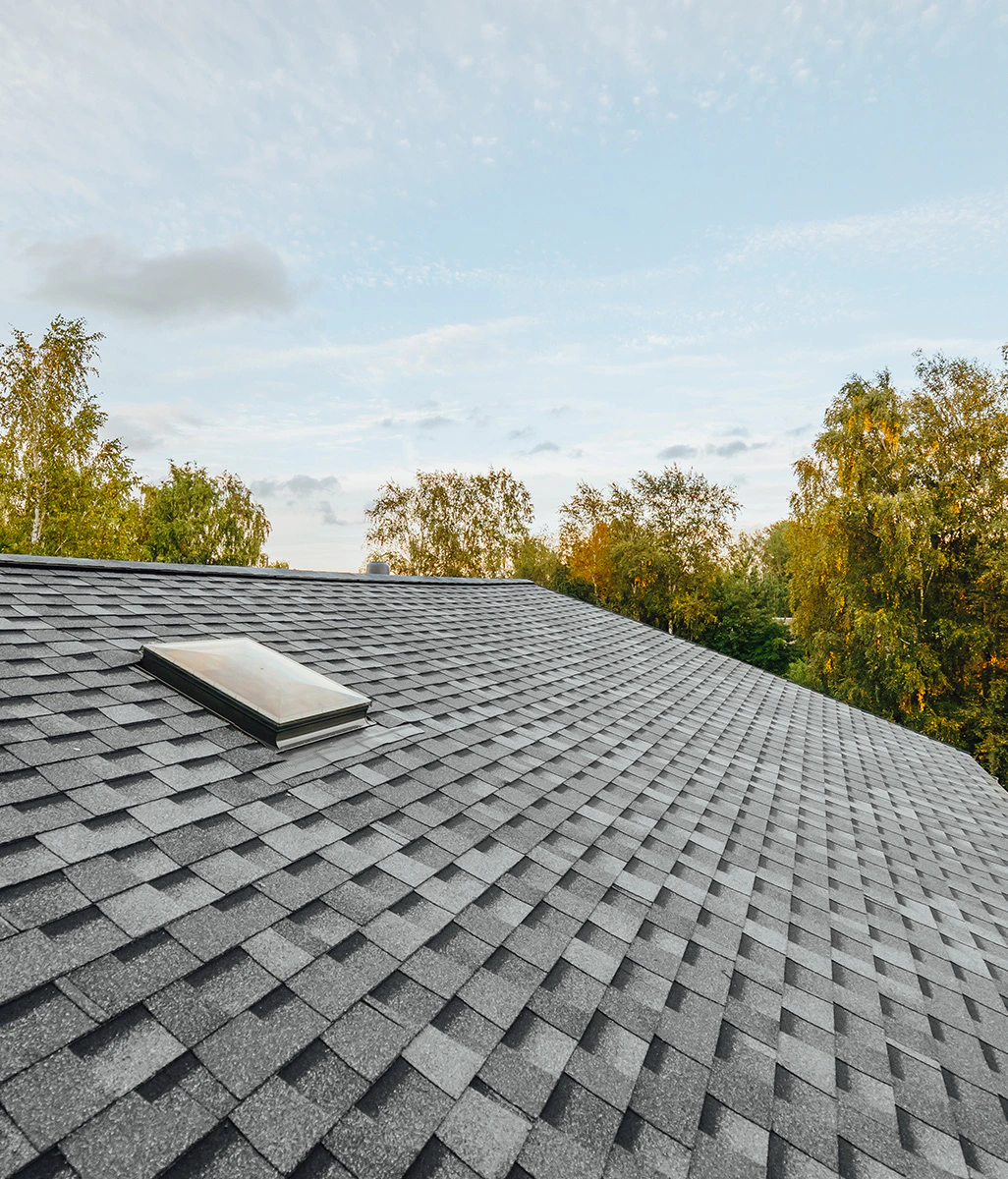
How Do I Maintain My Roof?
Regular maintenance extends the life of your roof and prevents costly repairs. Here are the basics every homeowner should be aware of:
- Schedule roof inspections – At least once a year, or after major storms.
- Keep gutters clean – Clogged gutters can cause water damage and shorten your roof’s lifespan.
- Trim overhanging branches – This prevents falling debris, limits pest access, and reduces wear and tear on shingles.
- Watch for warning signs – Missing shingles, leaks, or granules in your gutters signal it’s time to call a professional.
Read More: 5 Things to Know About Roof Maintenance
When Should I Call a Roofing Contractor?
If you notice storm damage, leaks, or visible wear, don’t wait. A professional roofing contractor can evaluate whether you need a repair or a full replacement. In Colorado, hail damage is one of the most common reasons homeowners call for roof inspections. In San Diego, issues often stem from coastal humidity and salt exposure.
Always work with a trusted, certified roofing contractor to protect your investment and ensure quality workmanship.
Related: Remodeling Mistakes to Avoid
Should I File an Insurance Claim for Roof Damage?
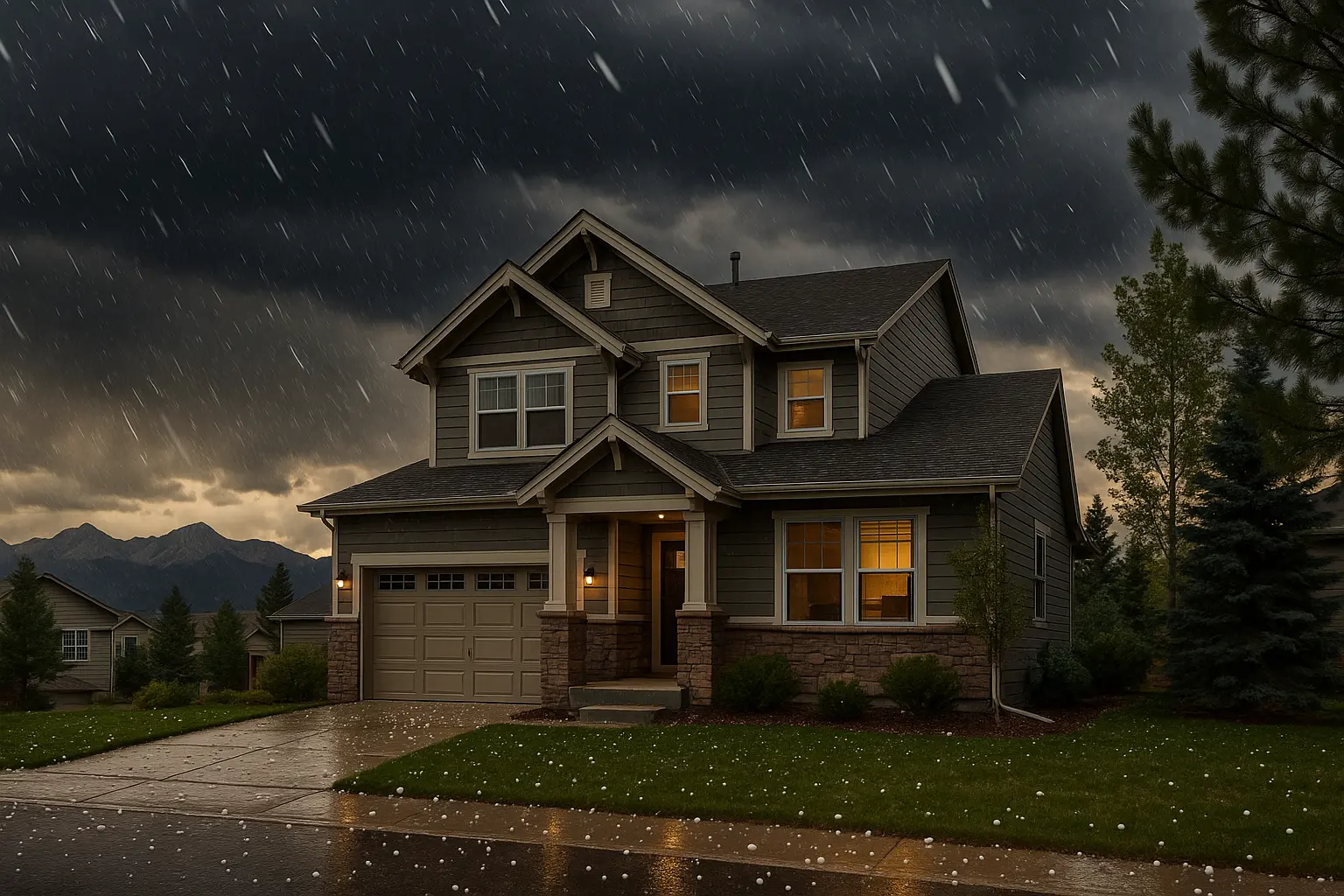
If your roof has suffered storm damage, particularly from hail in Colorado, filing an insurance claim is often the best step. First, schedule a professional roof inspection to confirm the damage. Then, your contractor can help guide you through the claims process, ensuring you get the coverage you’re entitled to.
Protecting Your Home Investment
Your roof is one of the most important parts of your home, and knowing the basics about materials, lifespan, and maintenance will give you increased confidence — no matter if it’s your first home or where you plan to spend the rest of your life. Staying proactive with roof care will help you avoid costly surprises, and when it does become time for something new, you’ll be equipped with the knowledge to make the right decisions.
One of the most important decisions you can make about a new roof or roofing repairs is who you choose as your contractor. When you’re ready for expert guidance, Lifetime Roof & Solar is here to help. As a proud member of the Colorado Roofing Association and a GAF Master Elite® Contractor, we bring proven expertise and trusted service to every project. For routine maintenance, hail damage repair, a complete roof replacement, or just a few friendly questions, the Lifetime team is ready to lend a hand.
Contact Lifetime Home Remodeling to schedule your free professional inspection today.
You may be interested in...
5 Things to know about Roof Maintenance
Colorado Hail Damage? What to Do Next
Common Causes Of Roof Leaks
Our teams of experts are here to help
Contact UsDoor Expert
Expert
Expert
Expert
